About the founder
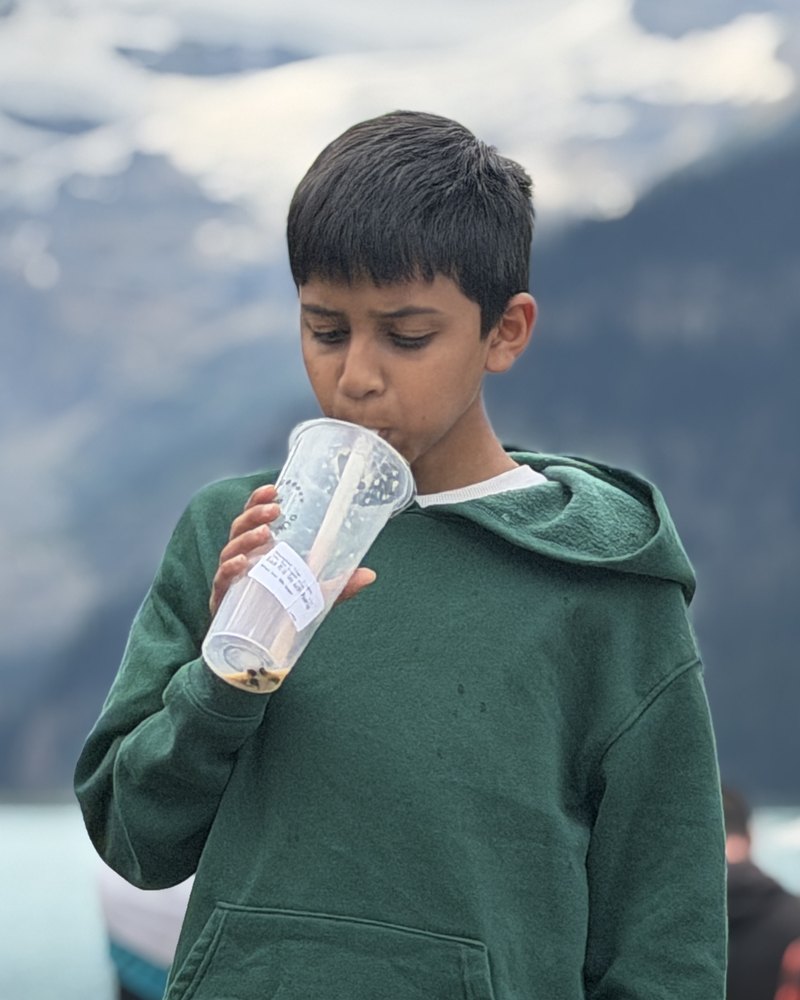
I'm Kishan Kumar. I'm a 6th grader at BASIS Independent Bellevue, and I live in Sammamish, Washington.
After a guided pollinator garden project last year, I wondered: if our whole town wanted to help the bees, how would they know what to plant? So I built BeeGuide, which tells you which native plants feed the bees on your street.
Pollinators help grow about a third of our food. But when I looked up "plants for pollinators," every list I found was written for the whole country, or for somebody else's weather. Bees don't live in a whole country. They live on your street.
What BeeGuide does
You give it your ZIP code. It looks up which bee species have really been recorded near you. Then which flowers those exact bees have been seen visiting. Then what will survive your winter, your rain and your soil.
After that it designs a bed: how many of each plant, how far apart, and which month to put them in the ground.
The real problem it solves is bloom gaps. That's a stretch of weeks when nothing in a garden is flowering. You don't notice. A bee doesn't eat. A garden that looks great in June and has nothing in August is a hungry place to live.
The 3M Young Scientist Challenge
In 2026 BeeGuide got an honorable mention in the national 3M Young Scientist Challenge. There were four in the whole country.
The full title was "BeeGuide: A Soil Probe and Pollinator Food Security Index to Eliminate Bloom Gaps in Native Pollinator Habitats." It's a mouthful. It's also accurate.
Why nurseries matter to me
An app that tells you what to plant isn't much use if you can't find the plants. So that's what I work on most now.
Two nurseries are partners so far. Nobody Nursery in Des Moines shares what they have in stock, so BeeGuide can say "this one is on the bench today." Green Knight in Kirkland takes calls, so you can ring and ask.
If neither has it, the app points at other nurseries near you. Ordering from a website is the last thing it suggests.
Nobody pays me for that, and I don't take a commission from them. The site is free, there are no ads, and I don't store anything about the people who use it.
How it's built
Python and JavaScript, written from scratch. No frameworks, and no libraries in the running app. I wanted to understand every part of it, so I wrote the server, the database queries, the page rendering and the map projection myself.
The data all comes from public science sources: iNaturalist, GloBI, USDA PLANTS, Open-Meteo and OpenStreetMap.
What's next
More partner nurseries. More of the country loaded. Beds that cover winter as well as summer.
Mostly, though, I want people to plant one. If you do, I'd love to know which bees turned up.